- Home
- About Mia
- Portfolio
-
Homes for Sale
- Home Valuation
- Testimonials
- Blog
-
RESOURCES
- Neighborhoods
- About The Town
- Press & Media
- My Search Portal




Midland is a suburban community in eastern Muscogee County, Georgia, known for its residential character, family-oriented atmosphere, and proximity to both Columbus and Fort Moore (formerly Fort Benning). It offers a quieter alternative to city living while remaining closely connected to major employment centers, retail corridors, and essential services.
Characterized by established neighborhoods, newer residential developments, and access to green spaces, Midland appeals to homeowners seeking stability, space, and convenience. Its location along major routes such as Blackmon Road and Veterans Parkway positions it as a practical choice for military families, professionals, and long-term residents looking for a balanced suburban lifestyle.
Midland’s development is closely tied to the post–World War II expansion of Columbus and Fort Moore (formerly Fort Benning). As military activity increased and Columbus grew eastward, Midland emerged as a residential corridor designed to accommodate families seeking more space outside the urban core.
Early growth accelerated in the 1960s–1980s, driven by suburban migration, improved road access, and demand from military personnel and civilian professionals. What was once largely rural land gradually transitioned into planned subdivisions, schools, and neighborhood retail, establishing Midland as a self-contained suburban area rather than a pass-through community.
Architecturally, Midland reflects multiple phases of suburban evolution:
Notable milestones include the expansion of Blackmon Road and Veterans Parkway, which solidified Midland’s role as a residential hub with direct access to employment centers and retail zones. Over time, the area gained schools, parks, and services that reduced dependence on downtown Columbus.
Today, Midland is defined by its stability and maturity. It is not a historic district in the traditional sense, but rather a product of sustained, deliberate suburban growth—shaped by military influence, infrastructure investment, and long-term homeowner occupancy. This evolution has positioned Midland as one of Muscogee County’s most established and dependable residential areas.
Midland is located in eastern Muscogee County, Georgia, positioned between Columbus and the county’s eastern suburban edge. While not formally incorporated as a city or neighborhood district, it is generally defined by the Midland Road, Blackmon Road, and Veterans Parkway corridor, extending eastward toward the county line.
Geographically, Midland sits immediately east of Columbus, providing direct suburban access to the city’s commercial, medical, and employment centers. Downtown Columbus is typically 15–20 minutes away, while Fort Moore (formerly Fort Benning) lies to the south and southwest, making Midland especially convenient for military personnel and civilian employees.
The area features gently rolling terrain typical of west-central Georgia. The landscape is predominantly residential, interspersed with wooded pockets, creeks, and preserved green spaces. There are no significant elevation changes, which contributes to ease of development and consistent neighborhood layouts.
Key geographic characteristics include:
Midland experiences a humid subtropical climate:
Its natural surroundings prioritize livability rather than scenic extremes. The abundance of mature trees, suburban green buffers, and nearby recreational areas contributes to a calm, residential feel while maintaining proximity to urban amenities. This geographic balance is a core part of Midland’s appeal as a stable, well-situated suburban community.
Midland’s real estate market is characterized by stability, owner-occupancy, and consistent demand driven by its suburban location and proximity to Columbus and Fort Moore. It is not a speculative or high-volatility market; instead, it appeals to buyers seeking long-term residence, predictable pricing, and functional housing stock.
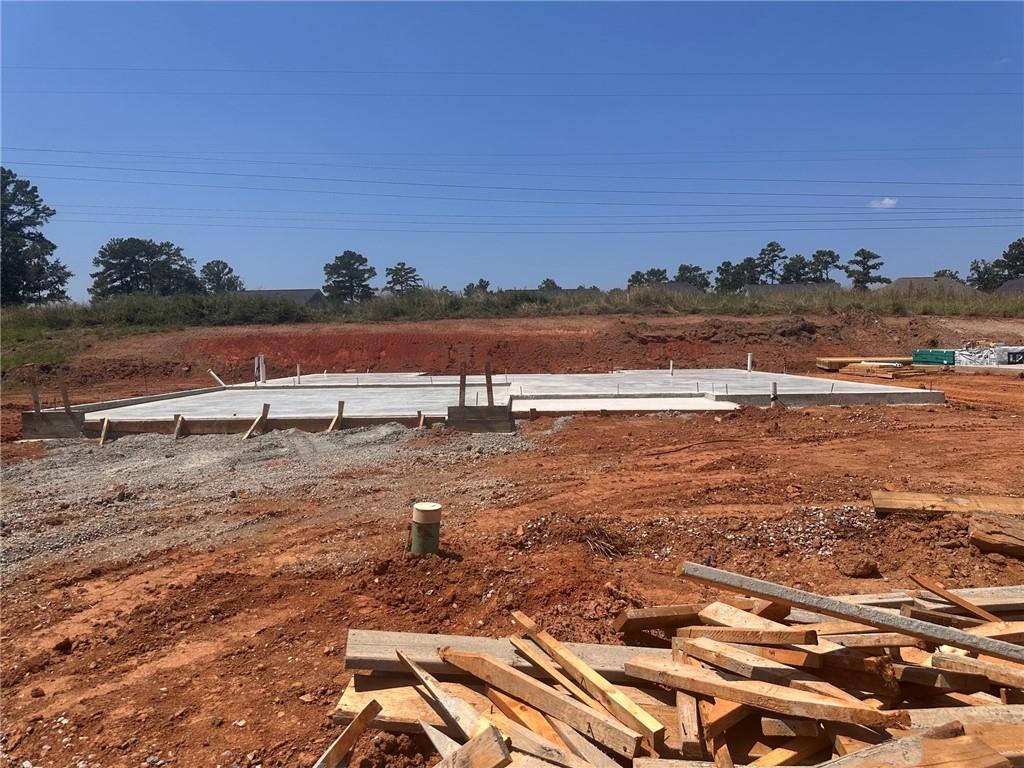
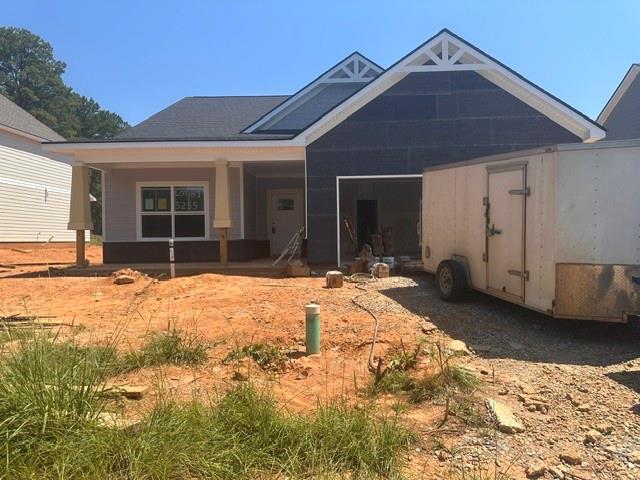
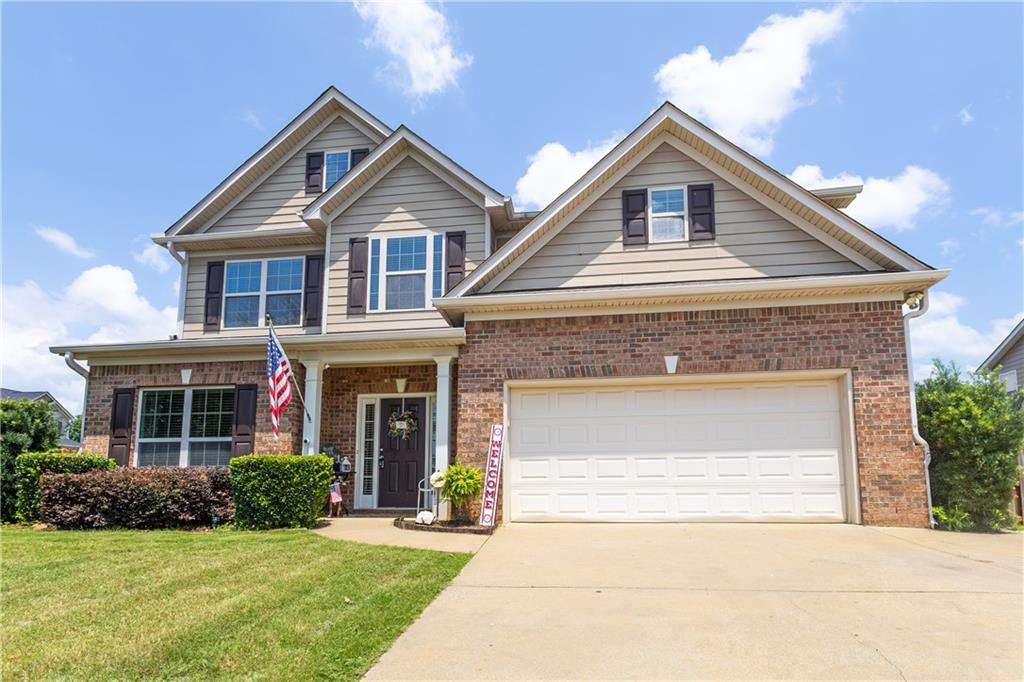
The housing inventory is predominantly single-family homes, with most properties built between the 1970s and early 2000s. New construction exists but is limited, which helps support property values and reduces rapid turnover. Homes typically offer larger lots, attached garages, and traditional suburban layouts.
Key market characteristics include:
Pricing in Midland generally remains more accessible than newer master-planned communities closer to the county’s edge, while still commanding a premium over older urban neighborhoods. Value is often driven by lot size, school zoning, and proximity to Veterans Parkway rather than architectural luxury.
From a seller’s perspective, Midland performs best when properties are well-maintained and competitively priced. Buyers tend to prioritize condition, layout functionality, and neighborhood consistency over high-end finishes. Renovated kitchens, updated systems, and curb appeal meaningfully influence time on market.
Overall, Midland represents a dependable suburban real estate market. Its strength lies in predictability, livability, and sustained demand rather than rapid appreciation, making it especially attractive for buyers focused on long-term value and stability.
Relocating to Midland requires a practical, needs-driven approach. The area is suburban and residential by design, so understanding daily logistics and neighborhood fit is essential before making a move.
Start by aligning location with routine. Commute patterns matter, especially for those working in Columbus or at Fort Moore. Proximity to Veterans Parkway and Blackmon Road can significantly affect travel time during peak hours. Visiting the area during weekday mornings and evenings provides realistic expectations.
Key relocation considerations include:
Utilities and services are straightforward, with city-level providers covering water, power, and waste. Internet availability is generally reliable, but speeds can vary by street and provider, making pre-move verification advisable.
Lifestyle alignment is also important. Midland is quiet and family-oriented, with limited nightlife and walkability. Daily errands typically require driving, but retail, healthcare, and dining are all within a short radius.
For military families, timing the move with PCS schedules is key. Rental inventory can tighten seasonally, and home purchases often benefit from early planning. Working with a local agent familiar with Midland’s micro-areas can help identify neighborhoods that best match budget, commute, and long-term plans.
Buying in Midland requires evaluating practical, long-term factors rather than short-term market timing. The area rewards buyers who focus on condition, location, and neighborhood fit.
Home age is one of the most important considerations. Much of Midland’s housing stock was built between the 1970s and early 2000s. While construction quality is generally solid, buyers should closely assess roofing, HVAC systems, plumbing, and electrical updates. Renovation history often matters more than original build year.
Location within Midland significantly affects value and livability:
Lot characteristics also vary. Many homes offer larger lots than newer developments, but tree density, drainage, and backyard usability should be evaluated individually. Some areas may have limited sidewalks or street lighting, which can influence walkability and safety preferences.
Additional buying considerations include:
Midland is best suited for buyers with a medium- to long-term horizon. Appreciation tends to be steady rather than rapid, so the strongest value comes from purchasing a well-located, well-maintained home that aligns with everyday needs rather than speculative upside.
Selling in Midland is primarily a pricing and presentation exercise. Buyers in this market are value-conscious, practical, and sensitive to condition, making preparation more important than aggressive pricing.
Condition directly impacts time on market. Homes that show deferred maintenance tend to linger, even in favorable market conditions. Pre-listing inspections, minor repairs, and system updates often yield stronger buyer confidence and cleaner negotiations.
Pricing strategy should reflect Midland’s steady, non-speculative market:
Presentation matters more than luxury finishes. Buyers prioritize clean interiors, functional layouts, and move-in readiness. Neutral paint, refreshed landscaping, and decluttered spaces typically outperform high-cost upgrades.
Timing considerations include:
Sellers should also account for buyer scrutiny of older homes. Transparent disclosure, maintenance records, and documentation of upgrades help reduce friction. Working with an agent familiar with Midland’s subdivisions and buyer expectations can materially improve pricing accuracy and transaction efficiency.
Dining and entertainment in Midland are convenience-oriented rather than destination-driven. The area prioritizes everyday accessibility, with most options clustered along Veterans Parkway and nearby commercial corridors.
Dining is dominated by casual and family-friendly establishments. Residents rely on a mix of regional chains, local favorites, and quick-service options suitable for daily routines rather than nightlife or fine dining. More diverse and upscale dining experiences are typically found closer to Columbus proper.
Common dining categories include:
Entertainment within Midland itself is understated. The neighborhood does not function as an entertainment hub, but it benefits from proximity. Movie theaters, live music venues, performing arts, and nightlife are easily accessible within a short drive to Columbus.
Local entertainment patterns tend to focus on:
Overall, Midland’s dining and entertainment landscape supports a suburban lifestyle built around convenience and comfort. Residents trade walkable nightlife for quieter evenings, predictable options, and quick access to broader cultural and entertainment amenities nearby.
Parks and recreation in and around Midland support an active, family-oriented lifestyle, with an emphasis on outdoor space, youth sports, and everyday recreation rather than large regional attractions.
Within Midland, recreational amenities are primarily neighborhood-based. Subdivisions often feature small parks, playgrounds, or open green spaces that cater to residents’ daily use. These areas provide accessible options for walking, casual play, and community activities.
Nearby public recreation options expand what Midland offers:
The area’s terrain and climate make year-round outdoor activity feasible. Long warm seasons support jogging, cycling, and recreational sports, while mild winters allow continued use of parks with minimal interruption.
Recreational patterns in Midland tend to be practical and family-driven:
Overall, Midland’s parks and recreation offerings emphasize accessibility and routine use. While it lacks landmark parks within its immediate boundaries, its proximity to well-developed county and city facilities ensures residents have consistent access to outdoor and recreational amenities without sacrificing suburban tranquility.
Midland itself does not host large-scale annual festivals, reflecting its role as a primarily residential suburban community. Instead, residents participate in a broader calendar of events held throughout Columbus and Muscogee County, all within a short driving distance.
Community engagement in Midland is more localized and informal. Seasonal neighborhood gatherings, school events, youth sports tournaments, and HOA-organized activities form the core of local social life. These events emphasize family participation and neighbor interaction rather than tourism or regional draw.
Major nearby annual events commonly attended by Midland residents include:
Holiday programming is especially prominent. School calendars, churches, and civic organizations host recurring events such as fall festivals, holiday markets, and end-of-year celebrations that draw consistent local participation.
Overall, Midland’s event culture is defined by proximity rather than presence. Residents benefit from easy access to Columbus’s established festival scene while maintaining a quieter, less congested residential environment at home.
Schools and education are a major consideration for families moving to Midland, as zoning and school quality significantly influence housing demand and long-term value. The area is served by the Muscogee County School District, one of the largest districts in Georgia.
Midland is primarily associated with established public schools that draw consistent enrollment from owner-occupied neighborhoods. While specific school assignments vary by subdivision, families generally choose Midland for its access to stable school zones rather than specialized magnet programs.
Educational landscape highlights include:
For families prioritizing continuity, Midland’s schools benefit from lower turnover compared to more transient areas. This contributes to stronger parent involvement and more predictable academic environments.
Post-secondary access is also a strength. Midland’s proximity to Columbus places residents near:
Overall, Midland appeals to families seeking reliable public schooling, supplemental private options, and convenient access to higher education. School zoning should be verified at the property level, but education remains one of the neighborhood’s key drivers of long-term residential appeal.
Midland offers efficient regional accessibility, making it a practical choice for residents commuting to Columbus, Fort Moore, and surrounding employment centers. The area is designed around vehicle travel, with road connectivity being one of its primary advantages.
Veterans Parkway serves as the main transportation spine, providing direct north–south access through eastern Muscogee County. Blackmon Road and Midland Road function as key east–west connectors, linking residential subdivisions to retail, schools, and major corridors.
Typical commute patterns include:
Traffic congestion is generally moderate. Peak delays occur during weekday mornings and late afternoons, particularly near school zones and major intersections, but congestion levels are lower than in denser urban areas.
Public transportation options are limited. The area is not well-served by fixed-route transit, making personal vehicles essential for daily life. Ride-share services are available but function as supplements rather than primary transportation.
Overall, Midland’s accessibility is defined by convenience and predictability. Its road network supports reliable commute times while maintaining a residential buffer from Columbus’s busier commercial districts, reinforcing its appeal as a suburban home base rather than a transit-oriented neighborhood.
People are drawn to Midland for its balance of suburban calm and everyday convenience. It offers a residential environment that feels settled and predictable, without sacrificing access to employment, schools, and essential services.
One of Midland’s strongest appeals is livability. Neighborhoods are generally quiet, well-established, and dominated by owner-occupied homes. This creates a sense of continuity that attracts families and long-term residents rather than short-term renters.
Common reasons residents choose Midland include:
Midland also benefits from a low-pressure lifestyle. There is no heavy tourist activity, limited congestion, and minimal commercial intrusion into residential streets. Daily routines are straightforward, and most errands can be completed within a short drive.
For many residents, Midland represents practical comfort rather than prestige. It is valued for consistency, safety, and ease of living—qualities that make it especially appealing to families, professionals, and retirees seeking a dependable place to put down roots in Muscogee County.
Midland is best suited for residents who value stability, space, and everyday practicality over urban density or lifestyle-driven amenities. It appeals to people looking for a long-term home rather than a short-term or trend-focused move.
The neighborhood aligns particularly well with:
Midland also attracts retirees and downsizers who want a low-maintenance environment without leaving the area’s core services. The absence of nightlife and limited walkability are often seen as advantages rather than drawbacks by this group.
Conversely, Midland may not be ideal for those seeking:
Overall, Midland is for buyers and residents who prioritize comfort, reliability, and ease of daily life. It serves individuals and households looking for a settled suburban community with consistent demand and minimal volatility rather than rapid change or lifestyle branding.
14,619 people live in Midland, where the median age is 39.2 and the average individual income is $50,903. Data provided by the U.S. Census Bureau.
Total Population
Median Age
Population Density Population Density This is the number of people per square mile in a neighborhood.
Average individual Income
Midland has 5,146 households, with an average household size of 2.84. Data provided by the U.S. Census Bureau. Here’s what the people living in Midland do for work — and how long it takes them to get there. Data provided by the U.S. Census Bureau. 14,619 people call Midland home. The population density is 354 and the largest age group is Data provided by the U.S. Census Bureau.
Total Population
Population Density Population Density This is the number of people per square mile in a neighborhood.
Median Age
Men vs Women
Population by Age Group
0-9 Years
10-17 Years
18-24 Years
25-64 Years
65-74 Years
75+ Years
Education Level
Total Households
Average Household Size
Average individual Income
Households with Children
With Children:
Without Children:
Marital Status
Blue vs White Collar Workers
Blue Collar:
White Collar:
Get assistance in determining current property value, crafting a competitive offer, writing and negotiating a contract, and much more. Contact me today.
Let's Connect